“We must watch the mountains, not just our roofs.”
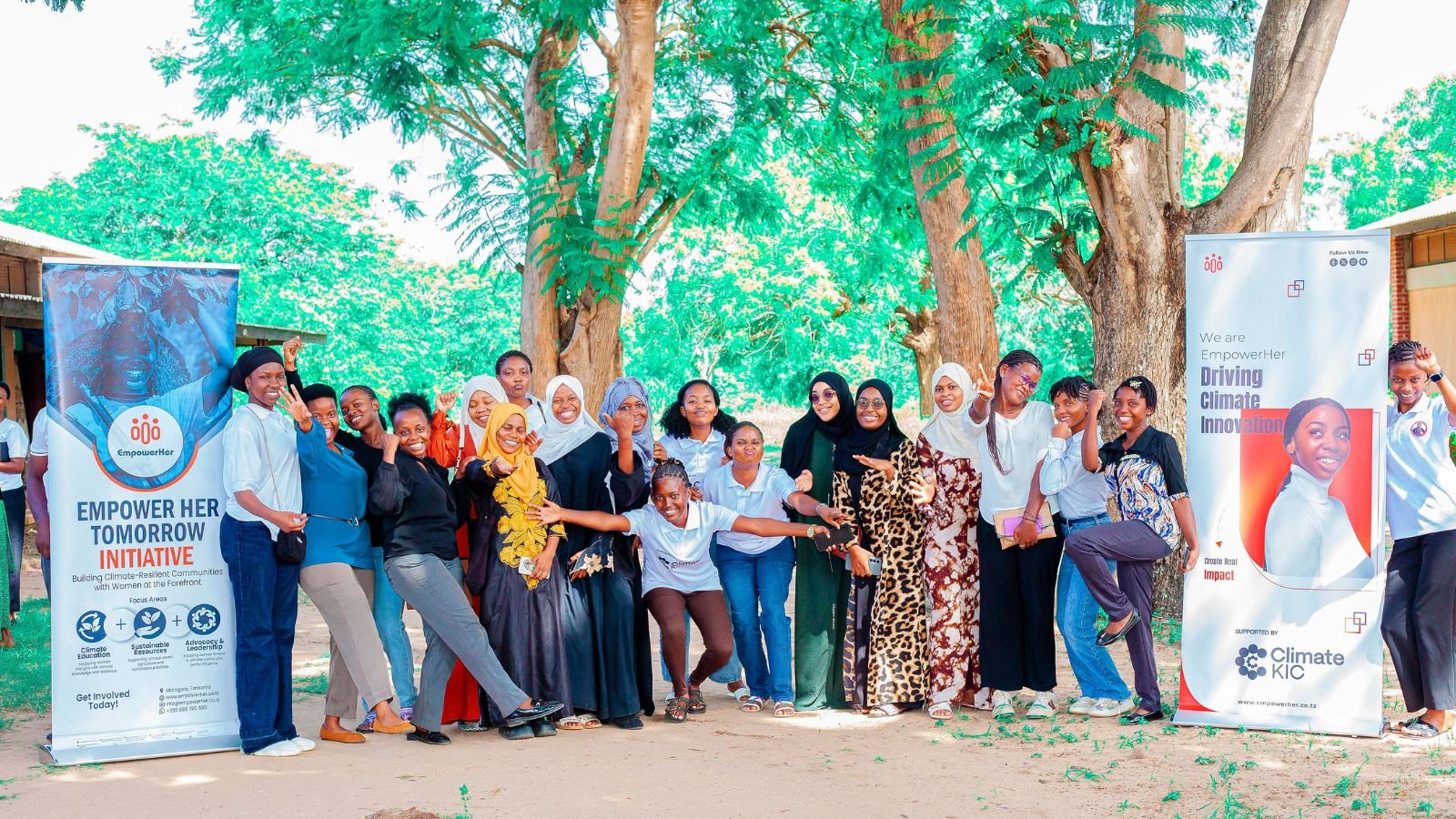
This was the rallying cry that echoed through the hall in Morogoro this past weekend. On January 10, 2026, the EmpowerHER Tomorrow Initiative gathered 80 young leaders from across the Mvomero district with a single, urgent mission: to transform how our communities respond to climate disasters.
For too long, rural communities have been reactive—waiting for the floods to hit before taking action. But thanks to the support of Climate-KIC and Irish Aid, Cohort 3 of our Climate Guardians program is changing the narrative from “Vulnerability” to “Action.”
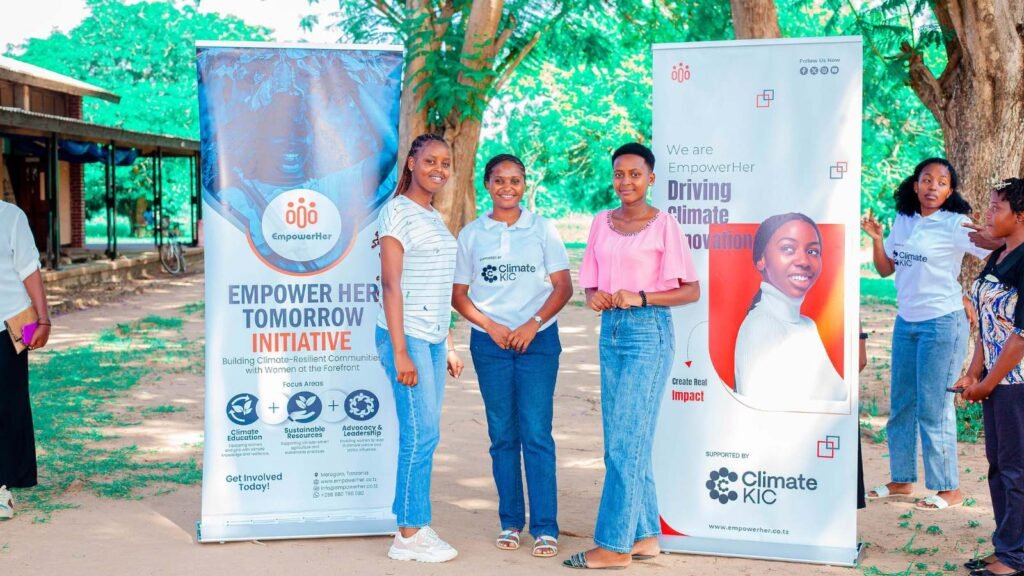
Here is an inside look at how the youth of Morogoro are building a safer future.
The Challenge: A Broken Wardrobe
We started the day by stripping away the complex scientific jargon. We used a simple analogy: Climate Change is like a messy wardrobe. In Morogoro, we used to know exactly which “clothes” (weather) to expect in October or March. But now? The pattern is broken. We reach for rain and get drought; we expect sun and get floods.
Instead of despairing, we focused on adaptation. If the weather is unpredictable, our systems must be smarter.
Low-Tech, High Impact: The River Stick
One of the highlights of the workshop was Session 2, led by our technical facilitator Saimon Chamy. Saimon introduced the concept of Low-Tech Early Warning Systems (EWS).
We didn’t talk about expensive satellites or complex software. We talked about bamboo sticks.
The youth learned how to create and install a “River Gauge”—a simple stick painted Green (Safe), Yellow (Alert), and Red (Danger). By combining this tool with indigenous knowledge—like reading the “chocolate” color of river water or observing the movement of Siafu ants—our youth can now predict floods hours before they hit the village.
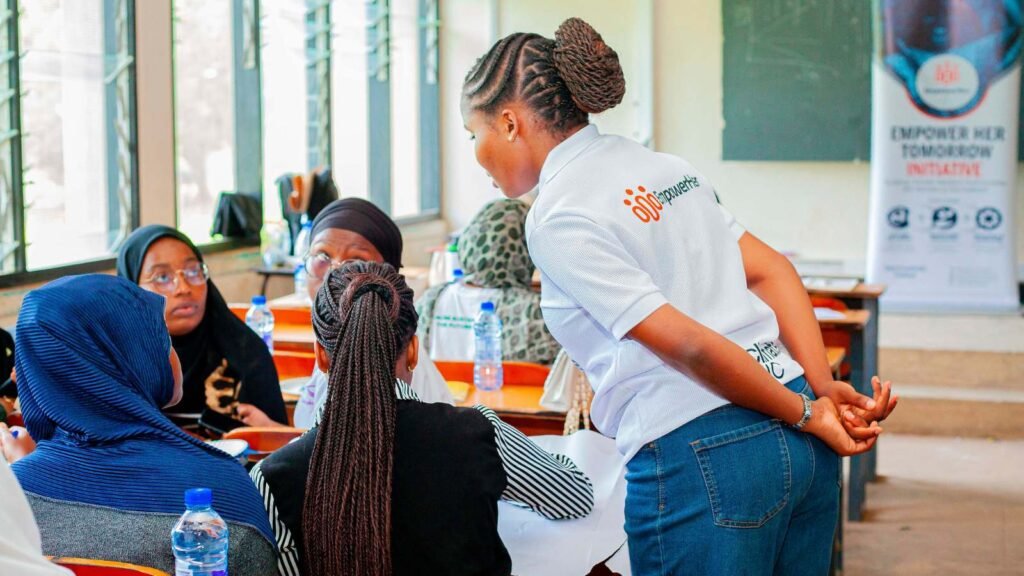
Mapping the “Red Zone”
You cannot fix a risk you cannot see. In a powerful participatory mapping session, the cohort grabbed markers and paper to draw their own villages.
They asked the tough questions:
- Where does the river burst its banks first?
- Who lives in that “Red Zone”?
- Is it a grandmother living alone? A school? A health center?
By the end of the session, we didn’t just have maps; we had protection plans for the most vulnerable members of our community.
No One Left Behind: The Buddy System
Resilience isn’t just about water levels; it’s about people. Our Head of Programs, Eunice Okama, closed the day by mobilizing the youth around the “Buddy System.”
The participants pledged that when the warning whistle blows, they will not run alone. Each youth leader identified a neighbor—an elderly person, a pregnant woman, or a person with a disability—that they are personally responsible for assisting during an evacuation.
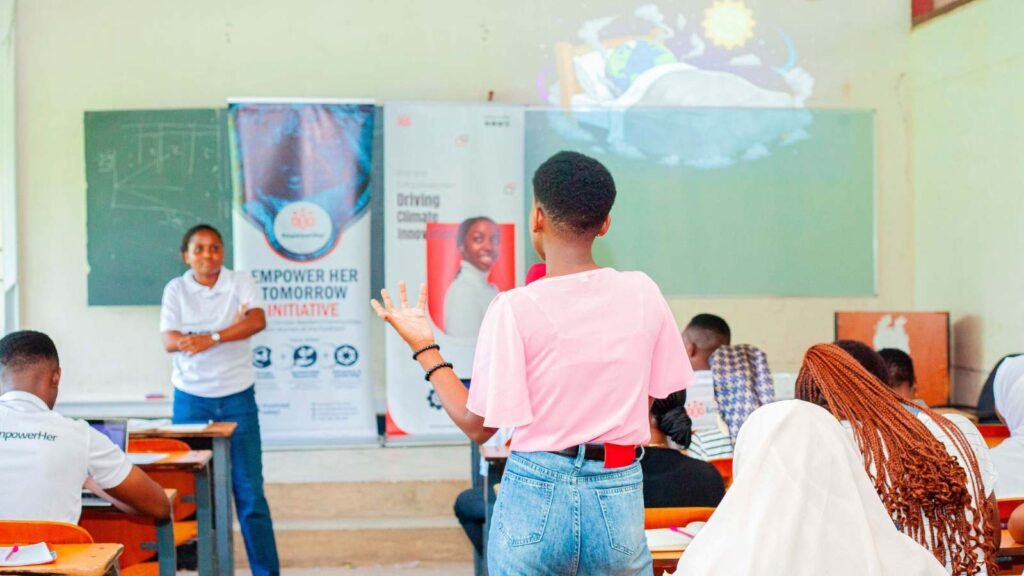
This is the heart of the EmpowerHER mission: Inclusive Climate Governance.
A Movement, Not Just a Meeting
As our Executive Director, Veronica Bey, stated in her closing remarks: “We are not just training youth; we are activating a movement. These young people are the eyes and ears of Mvomero.”
The energy in the room was undeniable. From the laughter during the “Broken Telephone” communication game to the fierce determination of the young women presenting their evacuation strategies, it is clear that Morogoro’s future is in capable hands.
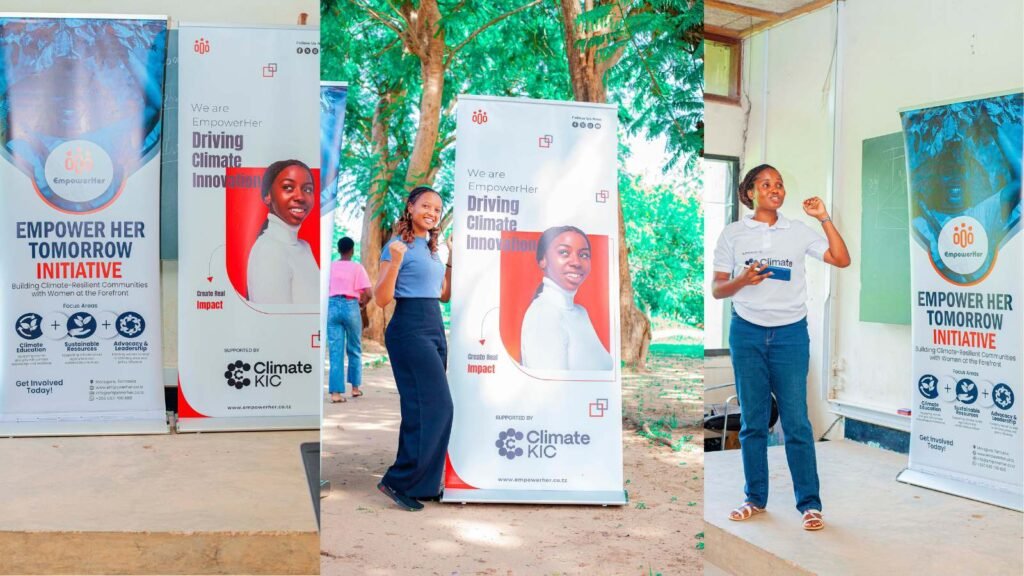
A Special Thank You
This transformation would not be possible without partners who believe in the power of locally-led adaptation.
We extend our deepest gratitude to Climate-KIC for their strategic support and trust in our vision. We also thank Irish Aid for making this programme a reality. Because of you, 80 families in Morogoro sleep a little safer tonight.
What’s Next?
The training is done, but the work has just begun. Our “Climate Sentinels” are now returning to their villages to install their gauges and formalize their committees.