How women, youth and communities are shaping locally owned climate solutions in Tanzania
Why This Work Matters
In Hanang District, climate change is not an abstract issue. Water scarcity affects many households, agricultural productivity has declined, and families continue to face the effects of the devastating landslides that struck the district in December 2023.
These challenges affect everyone, but they affect women especially deeply. Women are often responsible for securing water, food and energy for their families, yet they are frequently excluded from the decisions that shape climate policies and local development priorities.
The Women’s Climate Voice project was created to change this.
Putting Women at the Center
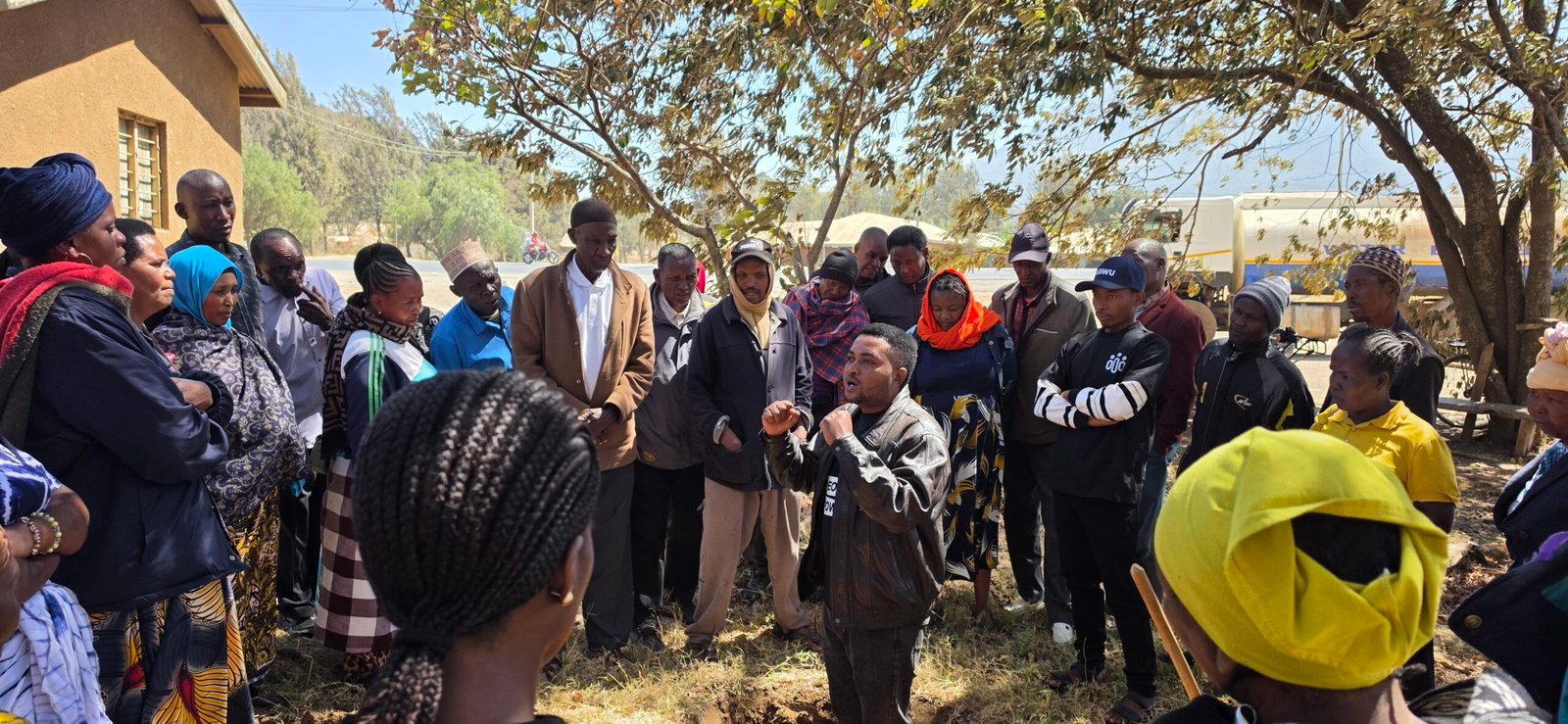
Led by EmpowerHer Tomorrow Initiative, the project established five women-led Climate Councils in Hanang District. These councils created safe and structured spaces where women, youth, people with disabilities, older people, indigenous communities and other marginalized groups could share their experiences, identify priorities and help design practical solutions.
Over the course of the project, 740 women and youth leaders were trained in climate governance, participatory policymaking, advocacy, community data collection and constructive engagement with government. The project also reached approximately 4,300 community members through outreach, forums and deliberative discussions.
The process focused on issues that directly affect everyday life: access to water, climate-resilient agriculture, clean energy and environmental protection.
From Community Voices to Policy Solutions
Rather than simply collecting complaints, the Climate Councils helped communities turn their experiences into clear, evidence-based recommendations.
Through priority ranking, scenario planning, community mapping, story-based discussions and other participatory methods, residents worked together to identify common challenges and develop realistic policy solutions.
This process resulted in 15 co-designed policy recommendations.
The project achieved its core aim of creating a practical pathway for women and communities to influence the policies that affect their lives.
Building a Strong Government Partnership
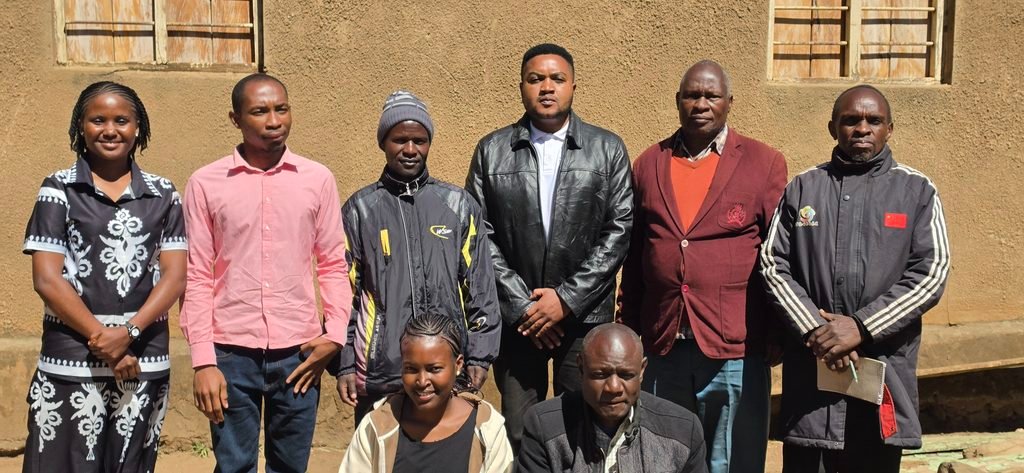
A major achievement was the formal partnership established between EmpowerHer Tomorrow Initiative and the Hanang District Council.
Through this partnership, government representatives contributed technical knowledge, staff time, meeting spaces and guidance on local planning and budgeting processes. The partnership also created a direct pathway for community priorities to enter formal government discussions.
This helped move the relationship between citizens and government away from one-way consultation and toward dialogue, collaboration and shared responsibility.
Beyond Policy: Environmental Action and Green Livelihoods
The project also generated important outcomes beyond its original expectations.
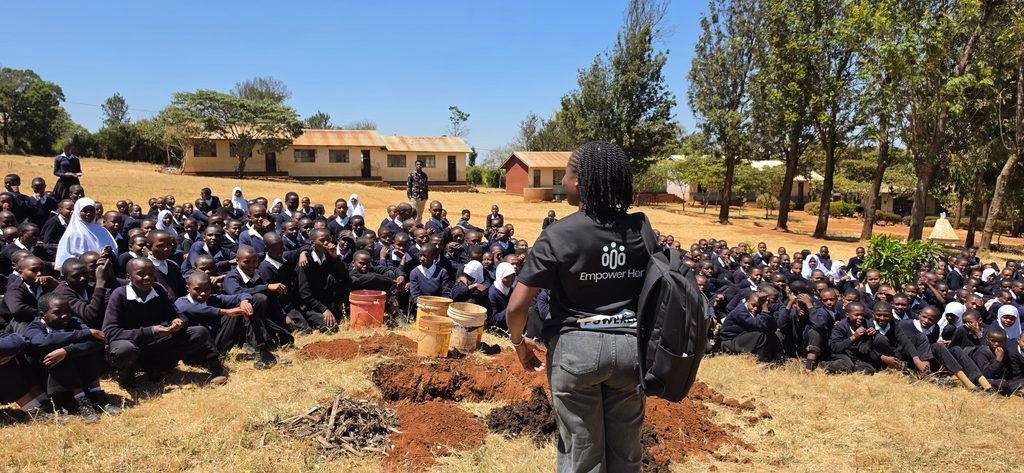
In response to community concerns about erosion, landslides and the protection of water sources, the project developed training on tree planting and environmental conservation.
Women and youth leaders learned about community tree nurseries, protecting young trees, forming local tree-guardian groups and creating ward-level environmental action plans.
These activities have also opened opportunities for women’s and youth groups to develop small green enterprises through the production and sale of tree seedlings.
What We Learned
One of the most important lessons from Women’s Climate Voice is that meaningful participation takes time.
People need time to build confidence, listen to one another, resolve differences and improve their ideas. A short consultation may collect opinions, but sustained deliberation can produce solutions that communities and government are more likely to understand, trust and use.
The project also demonstrated that inclusion requires practical support. Many people face barriers related to transport, connectivity, time, language, disability and household responsibilities.
By combining face-to-face meetings, local outreach and accessible facilitation, the project enabled more people to participate in ways that suited their circumstances.
With Gratitude to People Powered
We sincerely thank People Powered for supporting Women’s Climate Voice through the Climate Democracy Accelerator.
Their funding, mentorship and learning resources enabled us to expand the project beyond its initial pilot ambition, establish five Climate Councils, train 740 women and youth leaders, and engage approximately 4,300 community members.
We are grateful for the trust placed in EmpowerHer Tomorrow Initiative and for the opportunity to learn alongside other organizations working to strengthen participatory democracy around the world.
This partnership helped us connect climate action with inclusive governance and build a model that can continue to grow beyond the grant period.
Looking Ahead
The project leaves Hanang with a stronger cohort of women and youth leaders, five functioning Climate Councils, 15 community-developed policy recommendations, a formal government partnership and a foundation for continued citizen monitoring.
This is more than a single project. It is a model for how communities can influence the decisions that affect their lives and how local governments can work with residents to build fairer, more resilient futures.
Women’s Climate Voice has shown that when people are given meaningful opportunities to participate, they do not only ask for change. They help design it.